

Dietary fiber– Isn’t that stuff that you find in certain foods that make them taste really bad? Well, sometimes, but not always…
Though I personally cringe at the thought of sitting down to a breakfast of Bran Buds or similar types of cereals, we should be more cognizant of our dietary fiber intake.
Most people fail to consume the recommended amount of dietary fiber or what’s commonly referred to as “roughage” in our diets.
Many people simply lack an understanding of the importance of dietary fiber, how much they actually need to consume per day, or what the difference between soluble and insoluble fiber. For those people, help is here: Dr. Morrow’s Dietary Fiber Cheat Sheet!
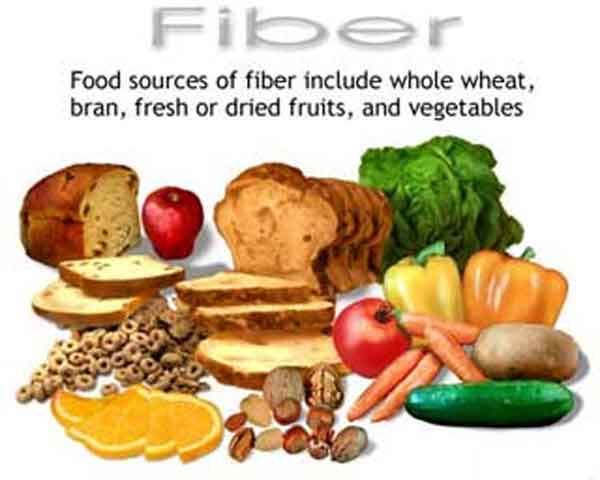
What Is Dietary Fiber?
Dietary fiber is a relatively broad term that includes many plant components that share the characteristics of being indigestible. This means that dietary fiber is not digested, absorbed by the body, or used for energy.
There are two main sources of dietary fiber–soluble fiber and insoluble fiber. *Note many plant sources include both soluble and insoluble fiber.
Insoluble fiber does not dissolve in water and does not get broken down by bacteria in the intestine. Instead, it essentially absorbs water to help to increase bulk and to soften stool.
Soluble and insoluble fibers are two essential components of our diet, each offering unique benefits for digestive health. Understanding their differences and how they work in the body is key to optimizing your dietary fiber intake for overall health and well-being.
The net effect of insoluble fiber is that it promotes regular bowel movements. Additionally, insoluble fiber helps us to feel full which may reduce obesity. It also may reduce our risk of developing hemorrhoids.
In contrast to soluble fiber, insoluble fiber does not dissolve in water. It is often referred to as the “gut’s broom” due to its ability to add bulk to the stool and promote regular bowel movements.
Benefits of Insoluble Fiber:
- Promotes Regularity: Insoluble fiber helps to speed up the passage of food through the digestive system, reducing the risk of constipation.
- Prevents Constipation: By adding bulk to the stool, it helps to maintain bowel health and prevent constipation.
- Weight Management: Foods high in insoluble fiber tend to be more filling, which can help in controlling weight.
Food Sources of Insoluble Fiber:
- Brown rice
- Certain vegetables (Carrots, celery, tomatoes)
- Corn Bran
- Whole-wheat products
Soluble Fiber differs from the insoluble fiber in that it dissolves in water and additionally is broken down by bacteria in the intestine, forming a gel-like substance in the digestive tract.. Soluble fiber helps prevent cholesterol from being absorbed by the intestines and is thought to help minimize the rise in blood sugar following a meal.
Benefits of Soluble Fiber:
- Lowers Cholesterol: Soluble fiber helps to lower LDL (bad) cholesterol levels by binding with cholesterol particles in the digestive system and removing them from the body.
- Regulates Blood Sugar: It slows down the absorption of sugar, helping to regulate blood sugar levels. This is particularly beneficial for people with diabetes or at risk of developing diabetes.
- Healthy Digestion: By absorbing water, soluble fiber helps to soften stools, making them easier to pass and reducing the likelihood of constipation.
Dietary Sources of Soluble Fiber:
- Oatmeal
- Beans
- Fruits such as apples, plums, kiwi, pears, blackberries, strawberries, raspberries, peaches, citrus fruits, dried apricots, prunes, and figs.
- Some vegetables (dried peas, beans, and lentils)
Potential Health Benefits of Dietary Fiber:
- Helps prevent constipation
- May reduce the risk of colon cancer
- May reduces LDL cholesterol and cardiovascular risk
- May reduce the risk of developing type 2 diabetes
- Helps to increase satiety and reduce caloric intake
How Much Dietary Fiber Do You Need Per Day? (New Guidelines)
- 25 grams per day for adult women
- 38 grams per day for adult men
How Much Soluble vs. Insoluble Fiber?
It really doesn’t matter so much, both types are important, just try to consume more fiber!
“Few fiber supplements have been studied for physiological effectiveness, so the best advice is to consume fiber in foods.” (Slavin et al, 2008).
References:
- Bazzano LA. Effects of soluble dietary fiber on low-density lipoprotein cholesterol and coronary heart disease risk. Curr Atheroscler Rep. 2008 Dec;10(6):473-7.
- Slavin JL. Position of the American Dietetic Association: health implications of dietary fiber. J Am Diet Assoc. 2008 Oct;108(10):1716-31.