Red yeast rice is an increasingly popular dietary supplement which is used by people who have elevated cholesterol levels. In fact, in 2006, American consumers spent $17 million dollars on this dietary supplement. It has been used as an herbal medication in China for centuries.
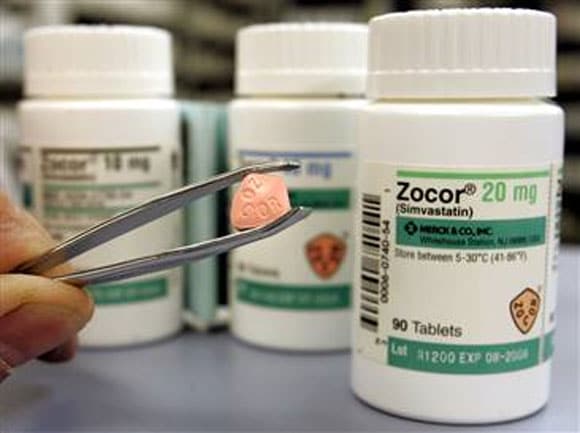
Statins or HMG-CoA reductase inhibitors are currently the most effective lipid-lowering medications for the prevention of coronary artery disease. Though they are generally well-tolerated, they can be associated with side effects including elevated hepatic or liver enzyme levels, gastrointestinal symptoms, and statin-associated myalgias which include both muscle pain and weakness. Myositis which includes elevated creatine phosphokinase levels (CPK) and rhabdomyolysis (rapid break down of skeletal muscle tissue) are rarer but are serious complications of therapy. Statin-associated myalgias are dose-related and typically do occur without myositis.
As no definitive treatment for statin-associated myalgia (SAM)currently exists, many patients adopt alternative strategies including red yeast rice. Though now more controversial, some patients with SAM have benefited from supplementing with coenzyme Q10. Like statin type medication, red yeast rice contains lovastatin (monocolin k) that may inhibit HMG-CoA reductase and lower cholesterol levels.
A recent study (Becker et al, 2009) evaluated the effectiveness and tolerability of red yeast rice to treat dyslipidemia in patients who cannot tolerate statins.
Chinese red yeast rice, a unique and traditional ingredient, has been a staple in Chinese cuisine and medicine for centuries. This intriguing substance is not only noted for its culinary uses but also for its historical significance in traditional Chinese medicine. Let’s explore the history, origins, and sensory attributes of Chinese red yeast rice.
History and Origins
Red yeast rice is a product of rice fermented with a type of mold known as Monascus purpureus. Its history in China dates back to the Tang Dynasty (around 800 AD), making it one of the oldest known instances of biotechnology. Originally, it was a dietary staple in China, Japan, and other Asian countries before its medicinal properties were discovered.
The use of red yeast rice in traditional Chinese medicine began over a thousand years ago. It was documented in ancient Chinese pharmacopeia for its ability to improve blood circulation and aid in digestion. Over time, its uses expanded, and it became known for its potential benefits in lowering cholesterol levels and promoting heart health.
Production and Characteristics
To produce red yeast rice, manufacturers culture rice with the Monascus purpureus mold. The mold ferments the rice, turning it a distinctive red color. This process also produces various compounds, including monacolin K, chemically identical to the active ingredient in certain cholesterol-lowering drugs.
Aroma and Flavor
Red yeast rice has a unique aroma and taste that distinguishes it from plain white rice. The fermentation process imparts a subtle, yeasty fragrance, which is less pronounced than other fermented products like cheese or soy sauce. Its flavor is mildly nutty and earthy, with a slight tanginess that can add depth to various dishes.
Culinary Uses
In Chinese cuisine, red yeast rice is used to color and flavor a variety of dishes. It’s known for imparting a rich, red hue to Peking duck and char siu (Chinese barbecue pork). It’s also used in making red fermented tofu and various types of wine.
Modern Use and Research
In recent years, red yeast rice has gained attention in Western countries for its potential health benefits, particularly in managing cholesterol levels. The active compound, monacolin K, is believed to inhibit cholesterol synthesis in the liver, similar to certain statin drugs.
However, the use of red yeast rice as a supplement can be controversial due to the variability in the concentration of active compounds and concerns about potential side effects. It’s important for individuals considering red yeast rice for health purposes to consult with a healthcare professional.
Chinese red yeast rice is a fascinating fusion of culinary art and ancient wisdom. Its rich history, distinctive flavor, and potential health benefits make it a noteworthy topic in the realms of both gastronomy and traditional medicine. As with many traditional remedies, it embodies the long-standing human endeavor to find healing and nourishment from the natural world around us.
Intervention:
Patients were assigned by random allocation software to receive red yeast rice, 1800 mg (31 patients), or placebo (31patients) twice daily for 24 weeks. All patients were concomitantly enrolled in a 12-week therapeutic lifestyle change program.
Results:
- LDL cholesterol reduction of 1.11 mmol/l (43 mg/dl) at week 12.
- Levels of HDL cholesterol (good cholesterol), liver enzymes, CPK, and pain severity did not differ between the red yeast rice group and placebo at weeks 12 or 24.
Conclusions:
“Red yeast rice and therapeutic lifestyle change decrease LDL cholesterol level without increasing CPK or pain levels and may be a treatment option for dyslipidemic patients who cannot tolerate statin therapy.”
Side effects of Red Yeast Rice:
“Two (7%) of 29 patients in the red yeast rice group developed persistent intolerable myalgias and discontinued treatment. Their CPK levels were within normal limits. Two other patients discontinued red yeast rice, 1 because of dizziness and 1 because of loose stools. All 4 patients remained in the study and completed the study protocol. One of 30 patients in the placebo group developed persistent intolerable myalgias and discontinued treatment but completed the study protocol.”
ATP III Classification of LDL, Total, and HDL Cholesterol (mg/dL)
LDL Cholesterol – Primary Target of Therapy
- <100 Optimal
- 100-129 Near optimal/above optimal
- 130-159 Borderline high
- 160-189 High
- >190 Very high
Total Cholesterol
- <200 Desirable
- 200-239 Borderline high
- >240 High
HDL Cholesterol (good cholesterol)
- <40 Low
- >60 High
Reference:
- Becker DJ, Gordon RY, Halbert SC, French B, Morris PB, Rader DJ. Red yeast rice for dyslipidemia in statin-intolerant patients: a randomized trial. Ann Intern Med. 2009 Jun 16;150(12):830-9, W147-9.